
Sketchnoting: A Creative Twist on Note-Taking for Students
Tips and Tricks for Teachers

Taking notes is an essential aspect of learning, but traditional note-taking methods can be mundane and monotonous. For students who want to make their notes more exciting, sketchnoting can be the perfect solution. Sketchnoting is a fun and creative way to take notes that involves the use of doodles to represent ideas.
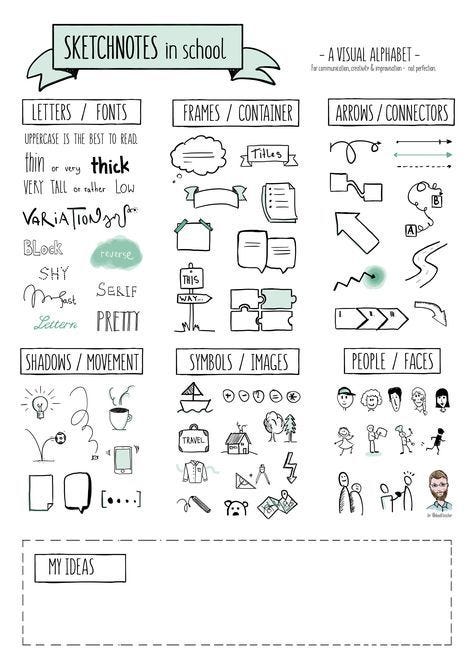
The benefits of sketchnoting are numerous. Sketchnoting helps students engage with the material in a more meaningful way. It also helps them remember the material better, as it combines both visual and textual information. Sketchnotes are also a great way to spark creativity and inspire students to think outside the box.
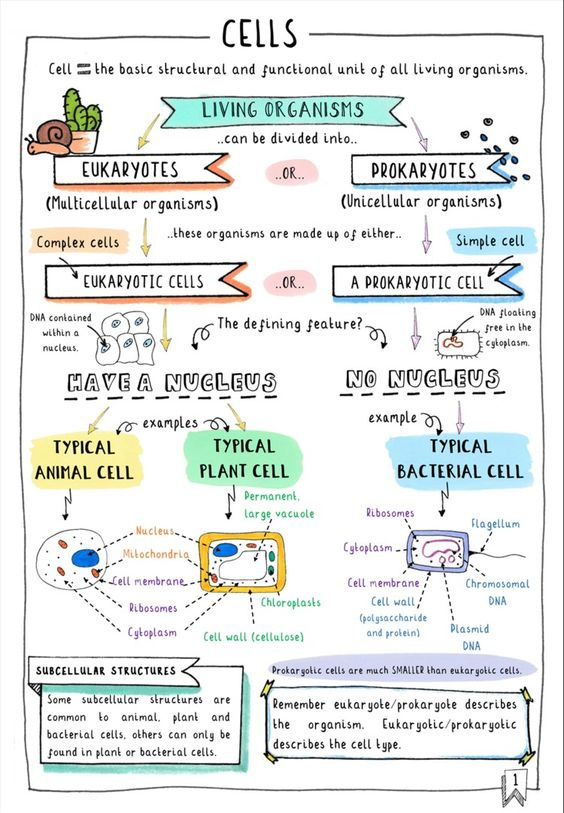
Examples of sketchnotes are widely available online. A Google image search using the keywords “sketchnotes” or “one-pagers” provides many examples from teachers and students around the world. Encourage students to look for examples of sketchnotes online to get inspiration for their own sketches.
How to get your students started with sketchnotes
Orient them to sketchnoting
To get started with sketchnoting, you must help students understand what it is and how it works. Sketchnotes are notes that include doodles to represent the ideas in the notes. Sketchnotes can be referred to as visual note-taking. The good news is that students do not have to be artistic to try their hand at sketchnotes. They only need to be able to draw a few basic shapes.
Explain to them that sketchnotes could be academic or personal. Academic sketchnotes are usually done quickly during a lecture or while watching a video. Personal sketchnotes are done at a more leisurely pace and might be done in a journal, on a plain white piece of paper or with an iPad and Apple Pen. Sketchnotes can be used to document moments in a student's life like travels or as a way to think through a big decision.
Provide opportunities for sketchnoting
To teach students about sketchnoting, teachers must provide activities that allow students to practice sketchnoting. The easiest way to get students into sketchnoting is by having them sketch their hobbies. Ask students to create a sketchnote about their favorite sport, hobby, or activity. This will give them a chance to practice sketching and to develop their own style. Afterward, guide them to begin sketching characters and conflicts from books, articles they read, and TED talks they watch. This is an excellent way to help students understand the material they are studying better. It will also give them a chance to practice their sketchnoting skills while learning new material.
Use of simple icons and symbols -
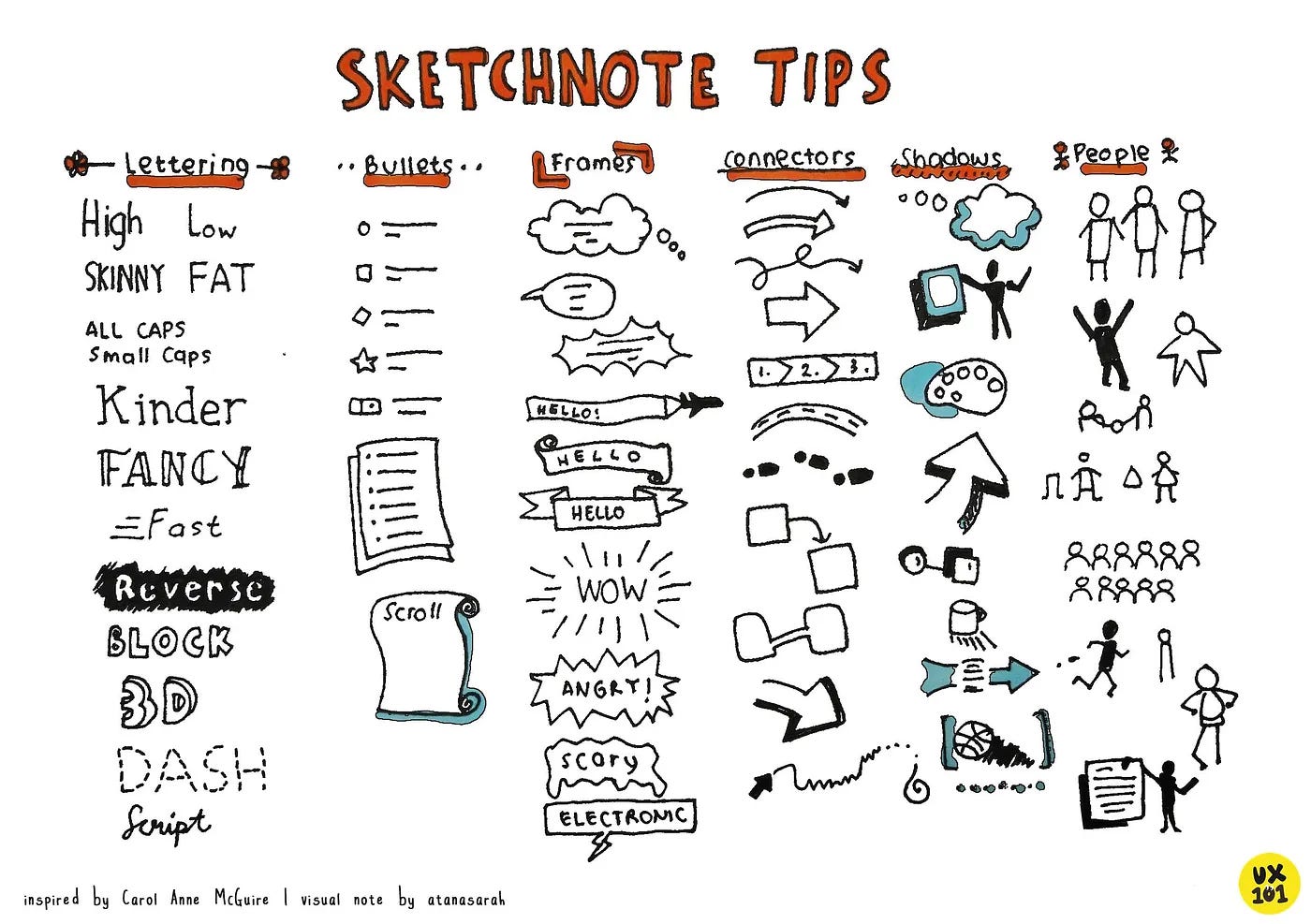
When they are first starting with sketchnoting, students may be tempted to make the sketches and symbols too detailed or complex. However, the key to effective sketchnoting is using simple, recognizable symbols that are easy to remember. For example, instead of drawing a complicated diagram to represent a concept, encourage them to try using a simple shape or icon to represent it. Over time, they’ll build up a library of symbols that they can use to quickly capture information.
Organizing their notes
One of the biggest challenges of note-taking is organizing the information in a way that makes sense. In sketchnoting, this can be done through the use of boxes, arrows, and other visual cues. For example, they could draw a large box around a section of their notes to indicate that it's an important concept. Or they could use arrows to connect related ideas together. Motivate students to experiment with different organizational techniques to find what works best for them.
Using colors
Color is a powerful tool in sketchnoting, as it can help visually differentiate between different types of information. For example, students could use one color to represent key concepts, another color for supporting details, and a third color for examples. This can help them quickly scan their notes and identify the most important information.
Practice, practice, practice
Sketchnoting is a skill that takes time and practice to master. To get better, direct students to start by sketchnoting short talks or presentations and gradually work their way up to longer ones. They could also try sketchnoting articles or podcasts to practice capturing information in different formats.
Imperfection is okay
One of the great things about sketchnoting is that it's a flexible and forgiving method of note-taking. Tell students not to worry too much about making mistakes or creating something that's not perfect. The key is to capture the information in a way that makes sense to them.
Focus on the key ideas
Sketchnoting is not about capturing every single detail, but rather about focusing on the key ideas and concepts. When they are sketchnoting, ask them to identify the main points and capture them in a way that's easy to remember. This will help them create more effective and memorable notes.
Experiment with different styles
There's no one "right" way to sketchnote, so ask them to not be afraid to experiment with different styles and techniques. For example, they could try using different pens or markers to create different effects, or experiment with different layouts or organizational structures.
Add visual interest
While the primary goal of sketchnoting is to capture information, that doesn't mean the notes have to be boring! They can add visual interest to their notes by using different fonts, adding shading or depth to your sketches, or incorporating other design elements like borders or patterns.
Review
After they’ve finished sketchnoting a talk or presentation, encourage students to take some time to review their notes and reflect on what they have learned. This can help them internalize the information and remember it better in the long run.
Learning through sharing
Finally, provide enough opportunities to students to share their sketchnotes with others. You might be surprised at how much other students will enjoy seeing each other’s visual notes, and getting feedback and improving their skills over time.
In conclusion, sketchnoting is not only a practical method of note-taking, but it is also a powerful tool for self-expression and creativity. It allows students to combine their love of art and learning into one unique and personalized activity. By incorporating sketchnoting into their classroom practices, you can create a dynamic and engaging learning environment that encourages students to think outside the box and express themselves in new and exciting ways.
So, go ahead and give sketchnoting a try in your classroom, and who knows, you might just unleash your students' inner artists and thinkers!